




How to prepare for a property inspection
Keys, paperwork, timing and reports: how to prepare for your property inspection without dismantling anything.
Updated on · Metropolitan France
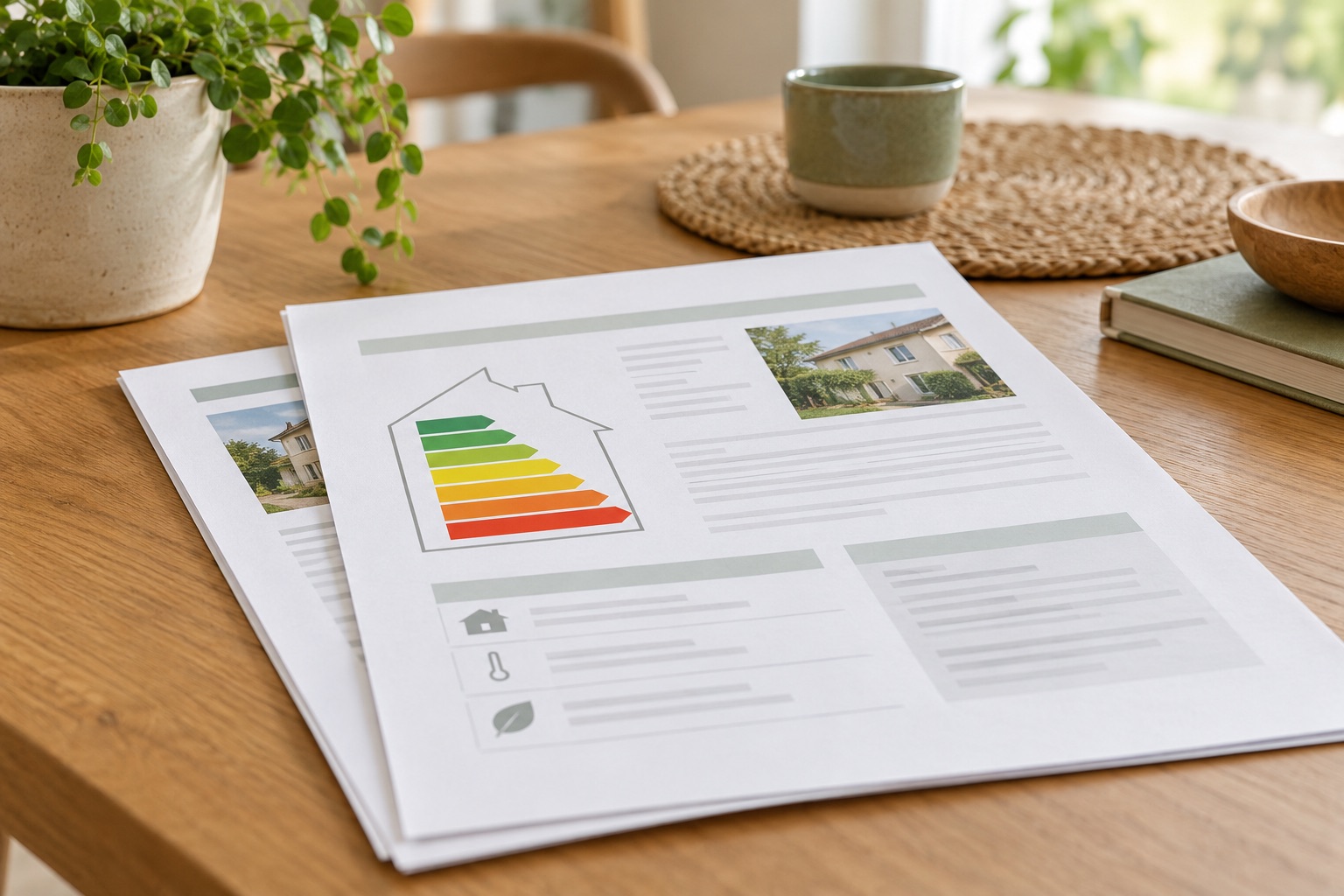
Before the visit: three things to organise
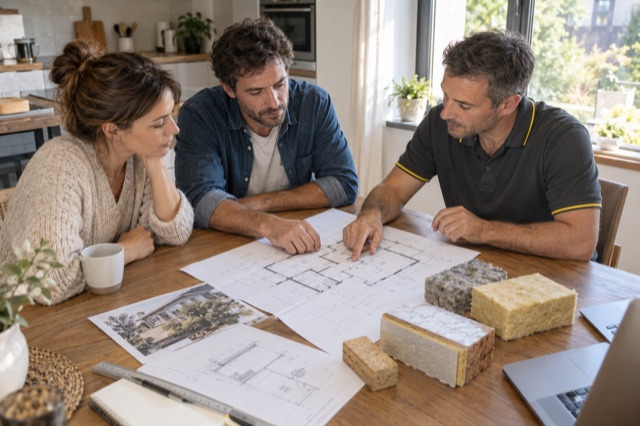
A locked garage, a boiler behind boxes or a missing insulation invoice can all hold things up. Before the assessor arrives, check access, gather what paperwork you have and decide who will meet them.
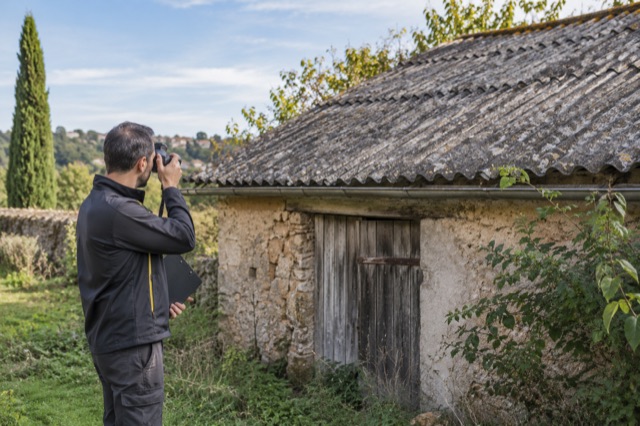
This guide is for anyone selling, letting or planning works in the Aude, the Minervois and the Béziers area. What you need to prepare depends on the agreed inspection. An energy assessment and a pre-works asbestos survey have different requirements.
Before your visit
- Confirm the address, the property lots and any outbuildings or ancillary spaces to be inspected.
- Gather the keys and let the occupants know about the appointment.
- Tell us about inaccessible areas and any equipment out of service.
Clear access with covers and guards left in place
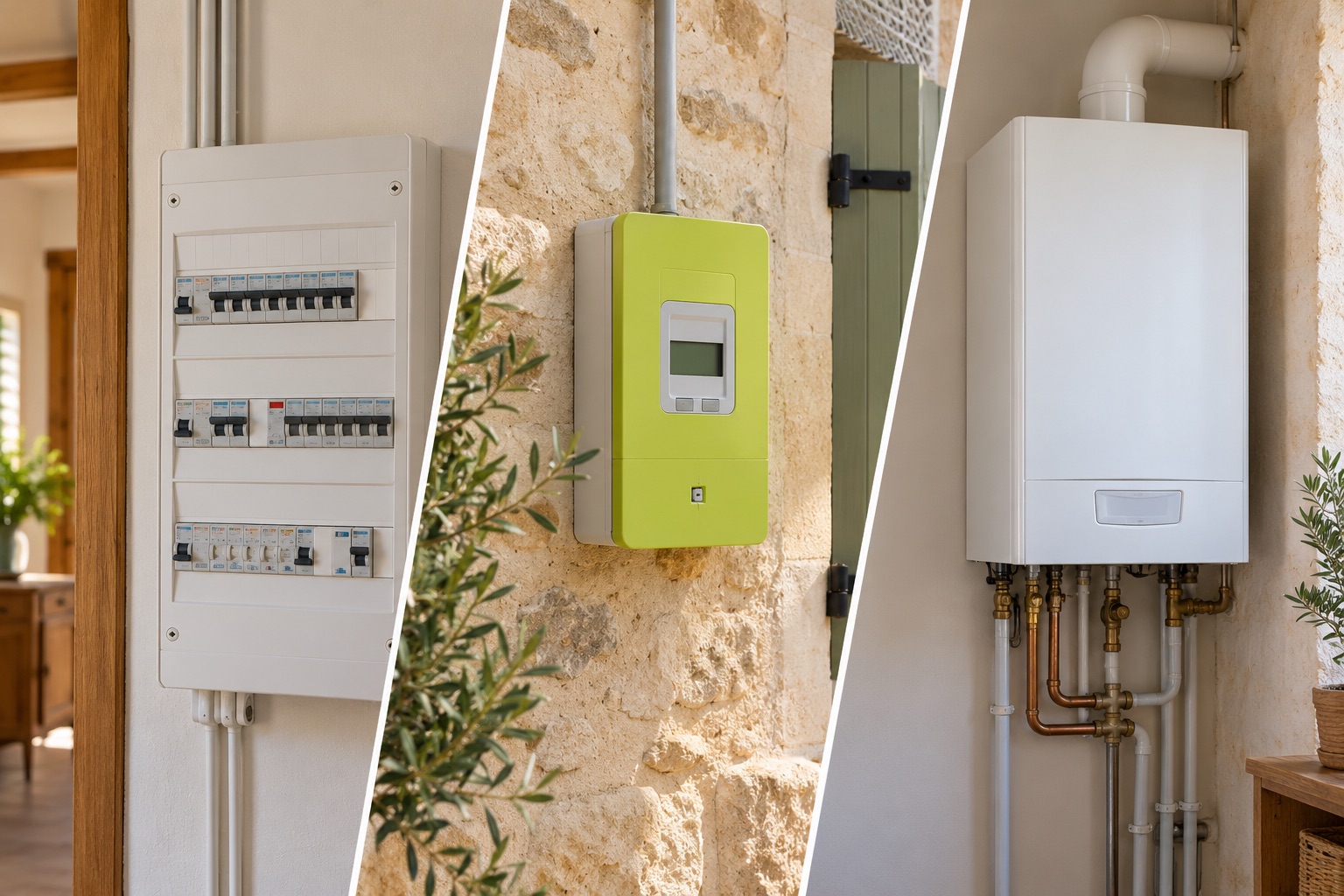
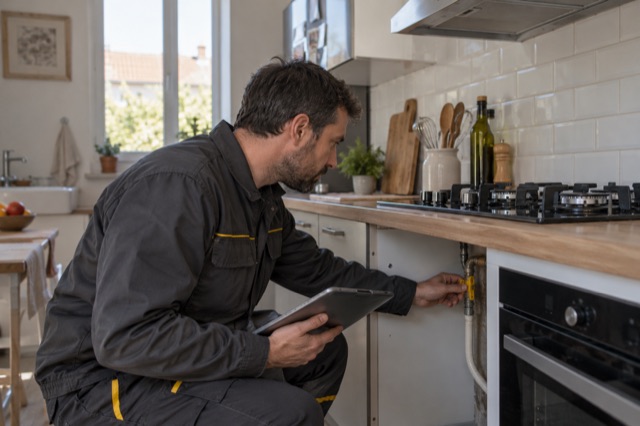
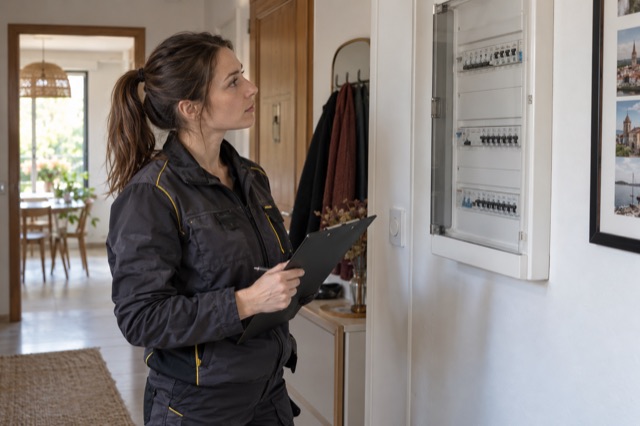
Clear access to the rooms, cupboards, cellars, garages and equipment being inspected. The assessor must be able to reach the consumer unit, meters and heating appliances. Leave covers and protective guards in place.
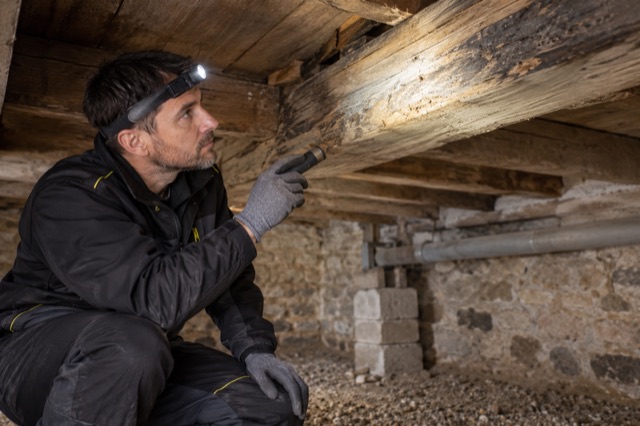
For lofts, show where the hatch is and explain how it is normally reached. Avoid making an unsafe route just for the visit. For a shared room or area, arrange access with the building manager, caretaker or occupants.
Documents that help us assess your home
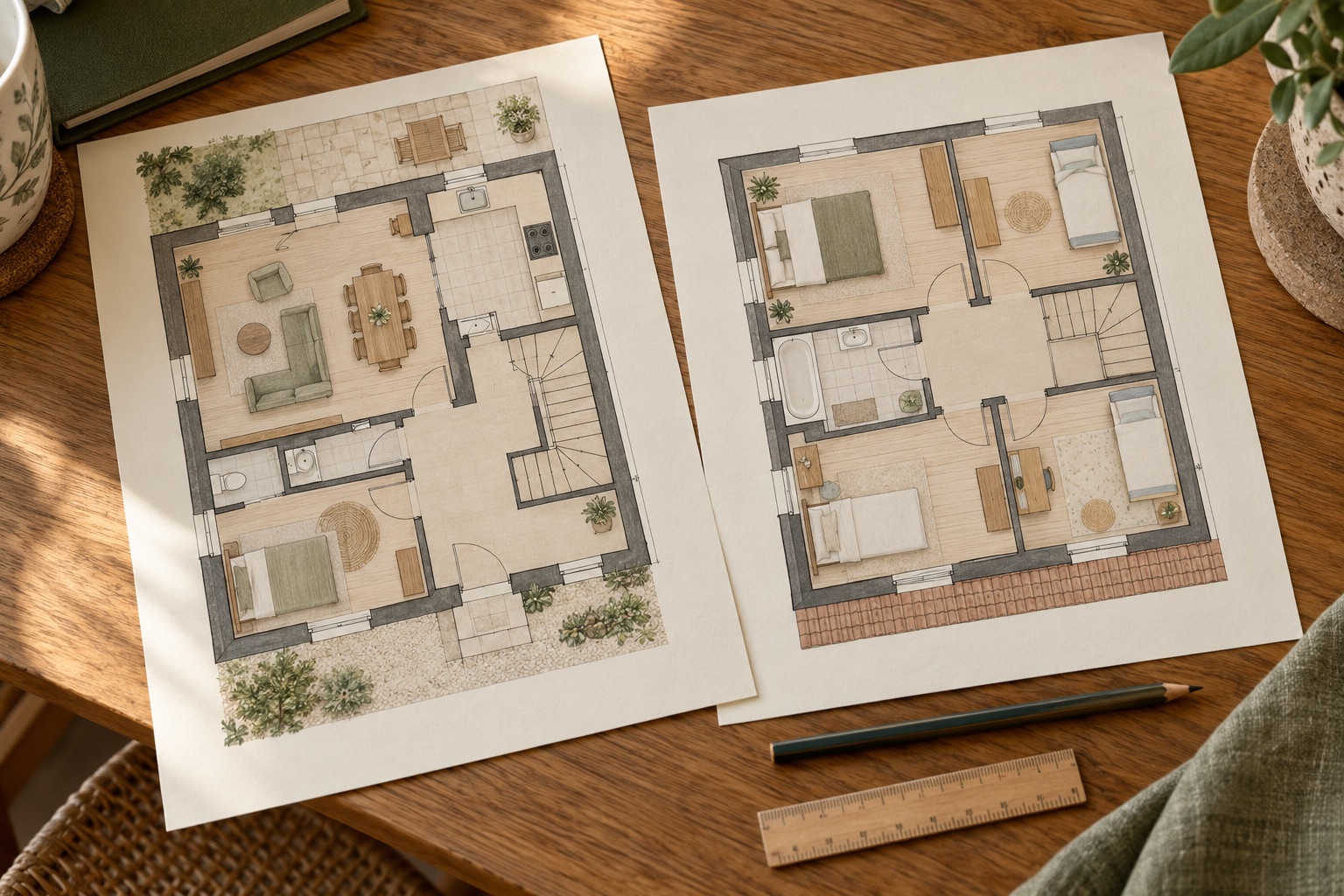
Supporting documents can establish facts that the assessor cannot confirm from a visit alone. For example, a detailed invoice may confirm the type and thickness of insulation and where it was fitted.
Gather the paperwork you have. If something is missing, say so and leave any uncertain details for the assessor to check.
Before your visit
- Complete previous inspection reports, their appendices and any official certificates that update them.
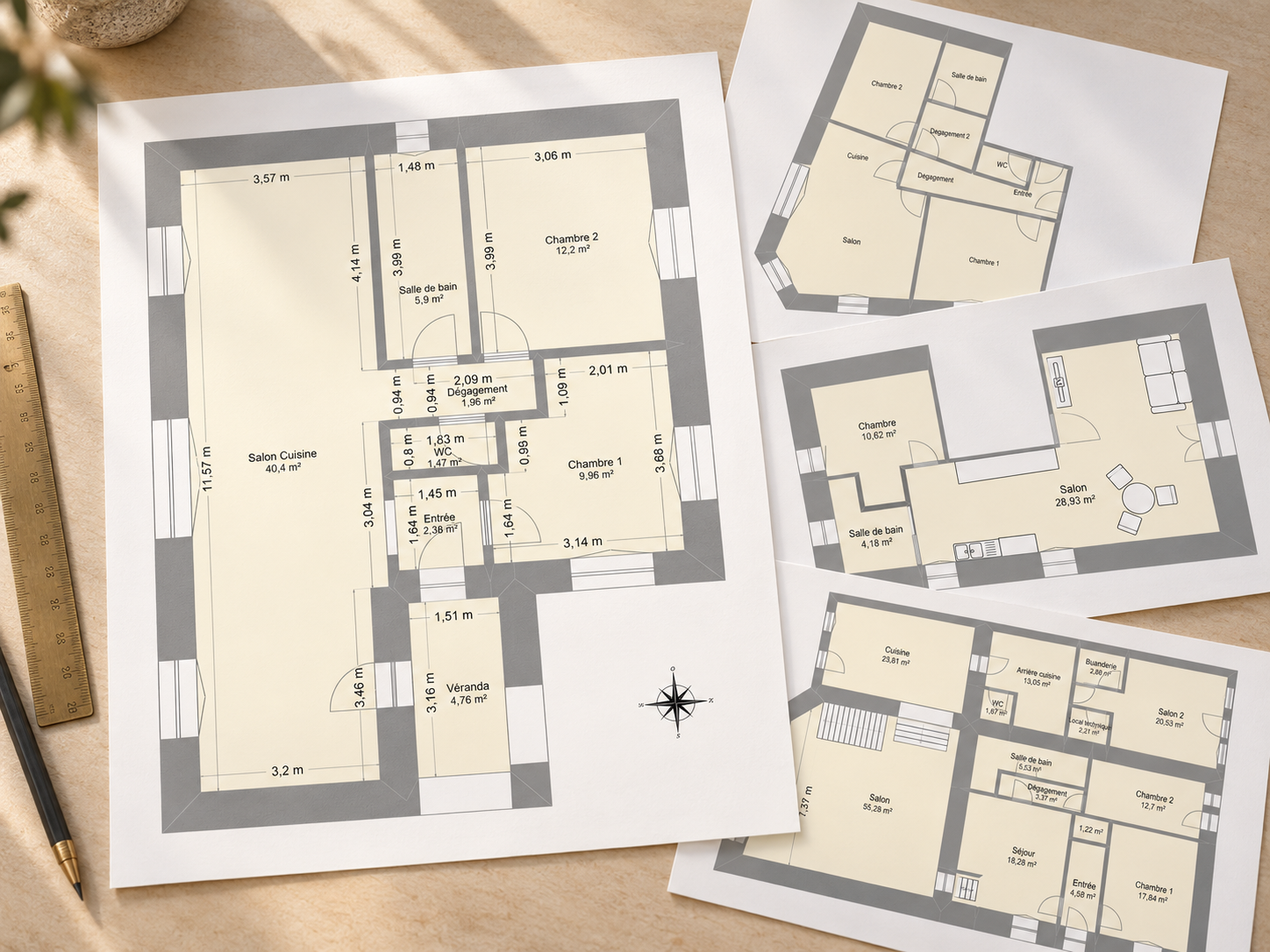
- Available floor plans and property lot references.
- Invoices for insulation, windows, heating and hot water equipment.
- Manuals, maintenance contracts and any information the building manager has about shared equipment.
On the day: discussion, checks and your questions
At the start of the visit, mention work already carried out and anything the assessor should know, such as a separate outbuilding, a locked room or a shared entrance. That way, access constraints are clear before the checks begin.
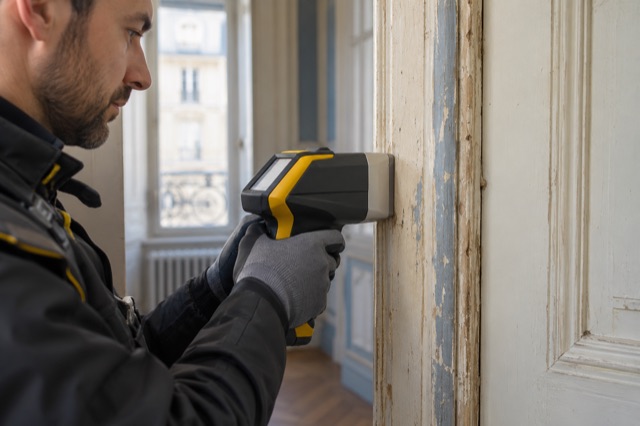
The assessor makes the observations and checks agreed for the inspection. Before they leave, go over any missing paperwork, any areas they could not inspect and what happens next. Keep the final reports for the definitive findings.
How much time should you allow?
Time on site depends on the size of the property, ancillary spaces, the number of assessments and access. Describe the entire property when booking and ask for an estimate. The time needed varies from one home to another.
The reports are prepared after the visit. Findings need to be processed, and some assessments require supporting documents or analysis. Confirm the report delivery time before setting a signing or construction date. Timing depends on the agreed assessment.
What to check when you receive your reports
Check the address and property lots, then read the findings and the inspection limits. Treat any area the assessor could not visit as uninspected. Ask about any wording you find unclear.
The official sources,
explained.
What this coversWhat paperwork to gather for the energy assessment.
What this coversWhat to look for when choosing an assessor.
For your project
Let’s plan your visit.
Tell us about your property and your plans so we can help.